
Winter Challenges - A Story from a Grass Fed Cattle Co. Farmer
Winter is always an exciting time on the farm. On one hand, the frenzy of summer slows down—no more daily cattle moves on pasture, making hay for winter feed or endless fencing work. On the other hand, you never quite know what winter will throw at you weather-wise. Already this winter we’ve had over two feet of snow, freezing rain, sub-zero temperatures and blistering winds. These conditions definitely bring extra challenges to manage, but it’s part of a job I wouldn’t trade for anything else. Let’s walk through some of those winter hurdles and how we handle them.
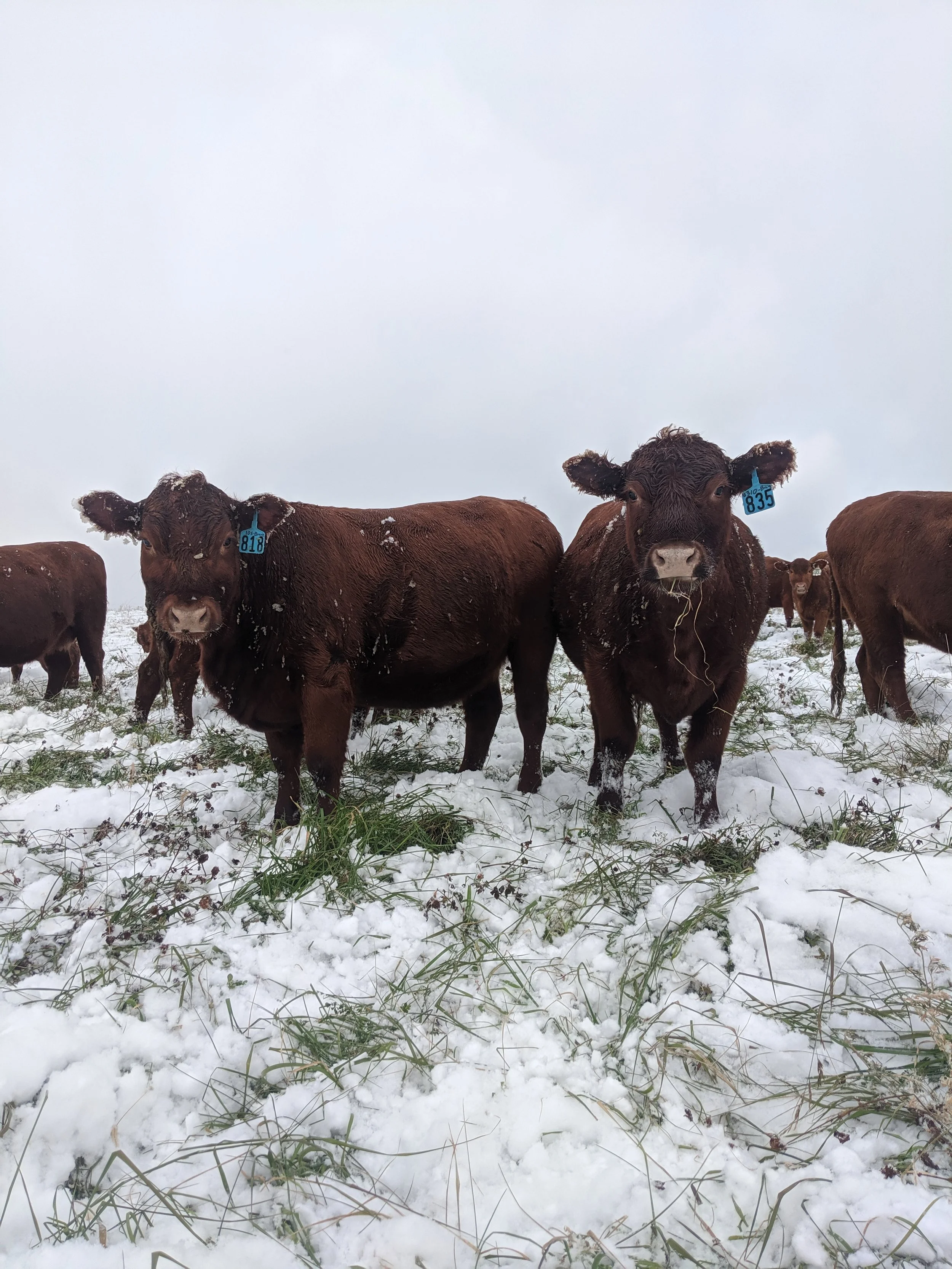
The most obvious challenge when raising beef cattle in winter is feeding them. Grass isn’t growing, and whatever is left on the ground is usually buried under several inches of snow and ice. We try to graze as late into winter as possible, but typically between mid-December and mid-January we’ve either run out of standing forage or it’s inaccessible. At that point, we switch to hay. Cows that are no longer lactating get lower-quality hay, while growing heifers or animals being finished for grass fed beef get higher-quality feed so they keep gaining weight through the winter.
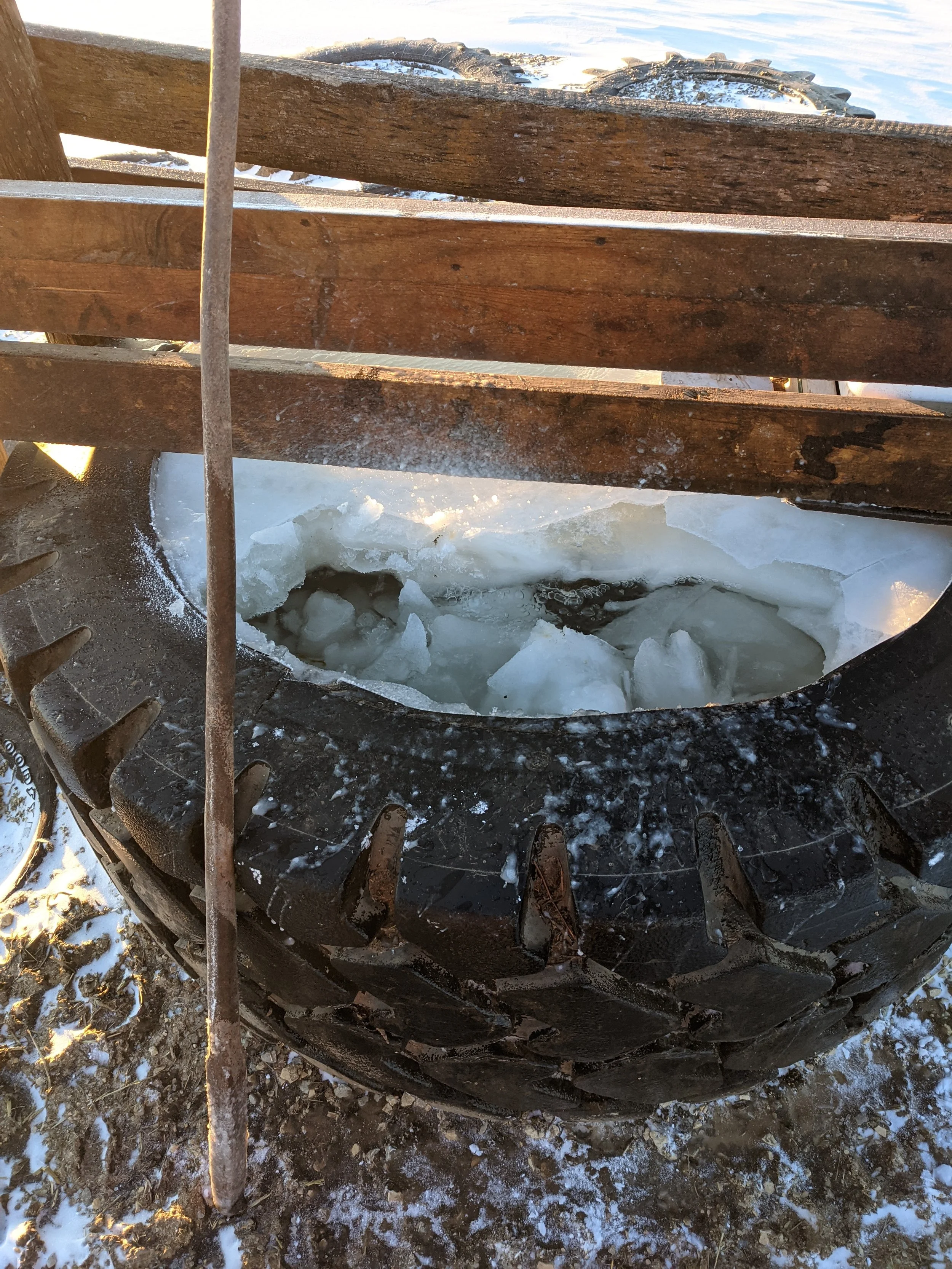
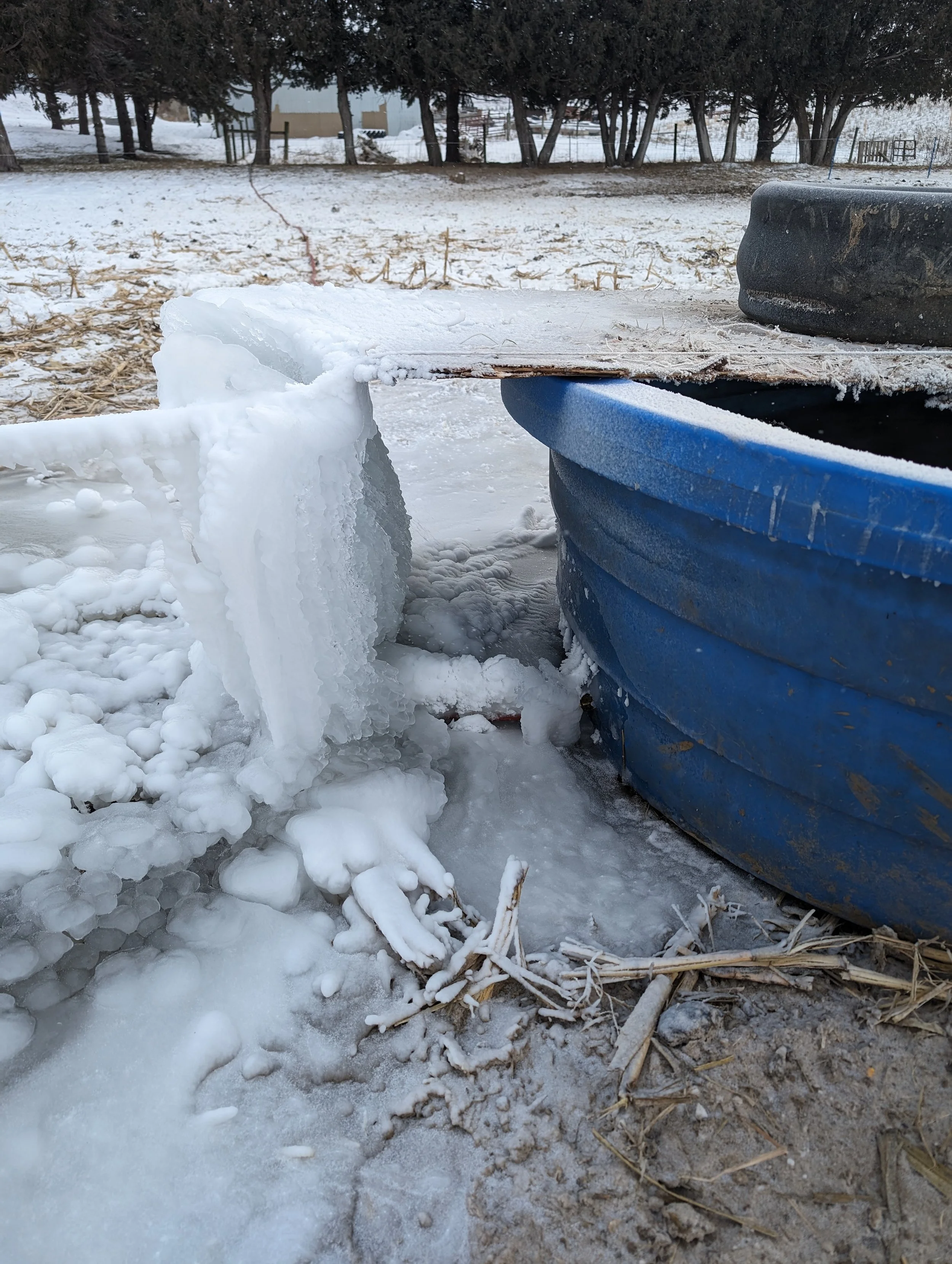
Water is the next big headache. In summer, a lactating cow producing milk for her calf will drink 20 to 30 gallons a day. Fortunately, in winter when she’s dry, she only needs 5 to 10 gallons. But keeping water available when temperatures are below freezing can be tough. We use several types of tanks. Some of our tanks are heated and some with constant flow to prevent ice buildup but more than once they’ve still frozen solid. That’s when we break out big hammers, five gallon pails of hot water or fire up the Nipco heater (basically a massive hair dryer) to get things flowing again.
Remarkably, even on the coldest days, and I’ve seen it hit 44 below zero, the cows handle the cold pretty well. They bunch together and find low spots out of the wind to stay warm. Equipment, though? That’s another story. On that 44-below morning I couldn’t get the tractor started to feed hay. Tractors get cranky in extreme cold. I had to build a temporary shelter around it and run the Nipco heater underneath for hours just to warm it enough to turn over. I know several farmers around here who left their tractors running for over 24 hours straight because they were afraid that if they shut them off, they wouldn’t start again. Thankfully, we now have a heated shop we can keep the tractors in for these tough days!
Wind can be one of the toughest challenges of all. A cow’s natural instinct in heavy wind is to drift with it to get out of the worst of it. Eventually, they hit a fence. When hundreds of cows are moving in the same direction and the ones at the back don’t realize the front is already at the fence, the pressure can push cows right through. More than once I’ve gone out to check and found the whole herd isn’t where I left them.
Winter definitely provides plenty of excitement in the form of these challenges. But every year I get a little more comfortable managing them. And while these moments can feel pretty stressful at the time, the rewards of raising cattle in a natural way, building soil and producing incredible food for people, far outweigh the headaches. I wouldn’t trade this job for any other.
